DEFRA has announced changes to entry checks for High Risk Feed Not (of) Animal Origin (HRFNAO) They took effect on January 1.
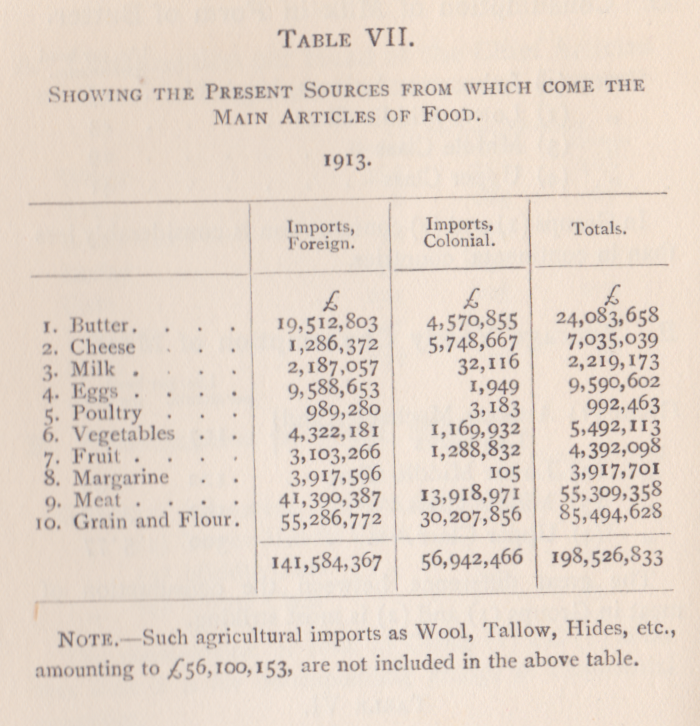
Britain imports about half its food, and has been a food importer for centuries. As a collection of islands, the British Isles (which does not include Ireland, by the way) is vulnerable to naval blockades when at war. The same holds in peace time, when it makes sense to offer competitively-priced port facilities. The Brexit preparations included a charge for imported goods to drive off the ferry and cross the marshalling yard, to leave the port. This thinly-disguised daylight robbery is called the Common User Charge (CUC) and gives those people with power in the UK government an opportunity to harass port operators around the country, without having to own up scoring an own goal.
In its early drafts, the CUC was expected to cost £100 or less; then less than £150. Every time the CUC charges were modified or increased, the DEFRA civil servants cranked up their revenue expectations. Exporters to the UK had trouble finding out when the CUC would be coming into force and, more worryingly, what they could expect to pay to use British ports.
The UK has a very diverse port sector, owned and operated by all sorts of organisations and businesses. Trading structures with centuries of history rub shoulders with modern commercial operators. Take a port like Dover, the entry point for the lion’s share of the UK’s food imports.
The port was ganted a royal warrant in 1604 by James I, which transferred it to the town of Dover. It has been managed by a port trust ever since, until today it is one of the country’s largest ports.
Ever since James signed Dover’s royal warrant, the town has had a free hand to manage and operate its port facilities as it sees fit. The crown has been excluded from the site — and it would appear that the UK government deeply resents the status quo. In a spectacular display of ill ill, DEFRA has taken the opportunity to take a side swipe at the businesses that pay good money to use the port.
In mid-April, HMRC set a cat among the pigeons, announcing that CUC invoices would not be sent out until the end of July, just as the charge comes into force. Frantic enquiries from over-stretched company accountants went on to reveal that there would be no reference field on the CUC invoices that would enable invoices to be reliably checked against manifests before they are invoiced. To make matters worse, HMRC also informed importers that CUC invoices would revert to a four-week billing cycle, on July 30, when the first flush of CUC will also fall due, thereby engineering chaos for no good reason.
This deliberately provocative carry-on has fed a festering grudge. Like most ports run by a private trust in the UK, Dover is barred from using facilities and equipment as collateral when the port needs to raise money for capital investment. This requires an act of parliament. And a measure of tact.